

RECENT POSTS
What Is Retinol, What Does It Do, and How Should It Be Used?
Retinol is one of the most extensively researched derivatives of Vitamin A in skincare. It accelerates cellular turnover, helping to reduce the appearance of fine lines, enlarged pores, and uneven skin tone. When introduced gradually and at the right concentration, it serves as a powerful active ingredient that most skin types can incorporate into their nighttime routine. In this guide, we break down what retinol is, how it affects the skin, who should use it, and which active ingredients it can be paired with.
What Is Retinol?
Retinol is a Vitamin A derivative belonging to the retinoid family. Once applied to the skin, enzymatic processes convert it first into retinaldehyde and then into retinoic acid—the active form the skin can directly utilize. Through this conversion, retinol acts as a signaling molecule that promotes cell turnover and stimulates collagen production.
Compared to prescription retinoids (such as tretinoin), retinol is gentler, making it an ideal starting point for first-time retinoid users. Rather than delivering overnight results, its visible benefits develop over weeks of consistent use.
What Does Retinol Do for the Skin? Key Benefits
The primary benefits of retinol stem from its ability to accelerate skin cell renewal and support collagen synthesis:
-
Fine Lines and Wrinkles: By supporting collagen levels, it helps the skin appear plumper and smoother.
-
Uneven Skin Tone and Dark Spots: Accelerated cell turnover promotes a more even distribution of pigment, visibly balancing skin tone.
-
Pore Appearance: It helps regulate cellular buildup around pores, making them look less prominent.
-
Rough Texture: By encouraging the shedding of dead surface skin cells, it refines overall skin texture.
-
Acne-Prone Skin: Because it helps minimize clogged pores, it is also well-suited for combination and oily skin types.
Note: These effects are cosmetic and aimed at improving skin appearance; retinol is not a substitute for medical treatment. For active skin conditions or medical concerns, consult a dermatologist.
Retinol Types and Concentrations
Not all over-the-counter "retinol" products have the same potency. Vitamin A derivatives vary in strength and tolerability depending on how many conversion steps they require to become retinoic acid:
-
Retinyl Palmitate / Retinyl Esters: The gentlest category. Requiring several conversion steps, they carry a very low risk of irritation and serve as an entry-level option for highly sensitive skin.
-
Retinol: The balanced standard. It strikes an optimal middle ground between efficacy and skin comfort. 0.3% is typical for beginners, while 0.5%–1% is suited for experienced users.
-
Retinaldehyde (Retinal): One step closer to retinoic acid than retinol. It delivers faster results while remaining well-tolerated by most skin types.
-
Prescription Retinoids (Tretinoin, etc.): The most potent category, available exclusively under medical supervision.
Starting with a lower concentration prevents the common misconception that "higher is always better." The lowest effective dose your skin tolerates consistently yields the most sustainable results.
Who Should Use Retinol?
Retinol is suitable for individuals looking to address early signs of aging, uneven skin tone, enlarged pores, or breakout-prone skin. It is commonly introduced into skincare routines starting in the late 20s, though the ideal starting age depends entirely on individual skin needs.
Individuals with dry or sensitive skin can also use retinol; the key is starting with a lower frequency and reinforcing skin hydration. Retinoids, including retinol, should be avoided during pregnancy and breastfeeding; consult your physician for safe alternatives.
How to Use Retinol
The key to achieving optimal results with retinol lies in consistency and patience rather than product strength. Follow these steps to build tolerance gently:
-
Start Low and Slow
If you are new to retinol, a low concentration such as 0.3% is an ideal baseline. Begin by applying it 2 nights per week, gradually increasing frequency as your skin builds tolerance.
-
Apply Only at Night
Retinol is photosensitive and performs most stably in an evening routine. Apply a pea-sized amount in a thin, even layer onto clean, thoroughly dry skin.
-
Follow the Proper Layering Order
The general sequence is: Cleanser → (Toner) → Retinol Serum → Moisturizer. If your skin is prone to dryness, try the "sandwich method": apply a light layer of moisturizer, follow with retinol, and finish with another layer of moisturizer.
-
Always Wear Sunscreen During the Day
Retinol increases skin sensitivity to UV rays. Applying a broad-spectrum sunscreen with at least SPF 30–50 every morning is essential to protect results and prevent new hyperpigmentation.
Example Evening Routine
A simple, effective nighttime routine with retinol:
-
Cleanser: Wash your face with a gentle cleanser and pat dry.
-
Wait: Allow your skin to dry completely for a few minutes; applying retinol to damp skin can increase irritation.
-
Retinol Serum: Dispense a pea-sized amount and apply evenly across the face, avoiding the delicate eye area.
-
Moisturizer: Seal in hydration and calm the skin with a nourishing moisturizer.
(Dry-prone skin types can use the sandwich method mentioned above to further cushion the skin.)
Common Retinol Mistakes to Avoid
-
Starting with daily use or high concentrations: Overwhelms the skin barrier and leads to irritation. Begin slowly and build tolerance incrementally.
-
Skipping daytime SPF: The most critical oversight, which directly diminishes results and increases sun sensitivity.
-
Layering multiple strong actives in one night: Combining retinol with exfoliating acids (AHAs/BHAs) on the same evening often causes unnecessary irritation.
-
Using too much product: More serum does not mean faster results; a single pea-sized amount is sufficient for the entire face.
-
Impatience: Stopping use due to initial dryness often means quitting before visible benefits appear. Allow 8–12 weeks for optimal results.
Ingredient Pairings: What to Combine and What to Avoid
Retinol works best within a balanced routine alongside complementary ingredients:
-
With Hyaluronic Acid: Compatible and highly recommended. Hyaluronic acid helps counteract dryness by locking in moisture.
-
With Vitamin C: Best used at different times of day—apply Vitamin C in the morning and retinol in the evening.
-
With AHAs/BHAs (Salicylic, Glycolic Acid): Using them in the same routine increases irritation risk; alternate them on separate nights.
-
With Niacinamide: Compatible. Niacinamide can help soothe redness and support the skin barrier alongside retinol.
Retinization: Managing Initial Side Effects
When first introducing retinol, you may experience mild dryness, flaking, or slight redness during the initial weeks. Known as "retinization," this transitional phase typically subsides as the skin adapts. To ease this transition, reduce application frequency, boost hydration, and maintain consistent sun protection. If irritation is severe or persistent, discontinue use and consult a dermatologist.
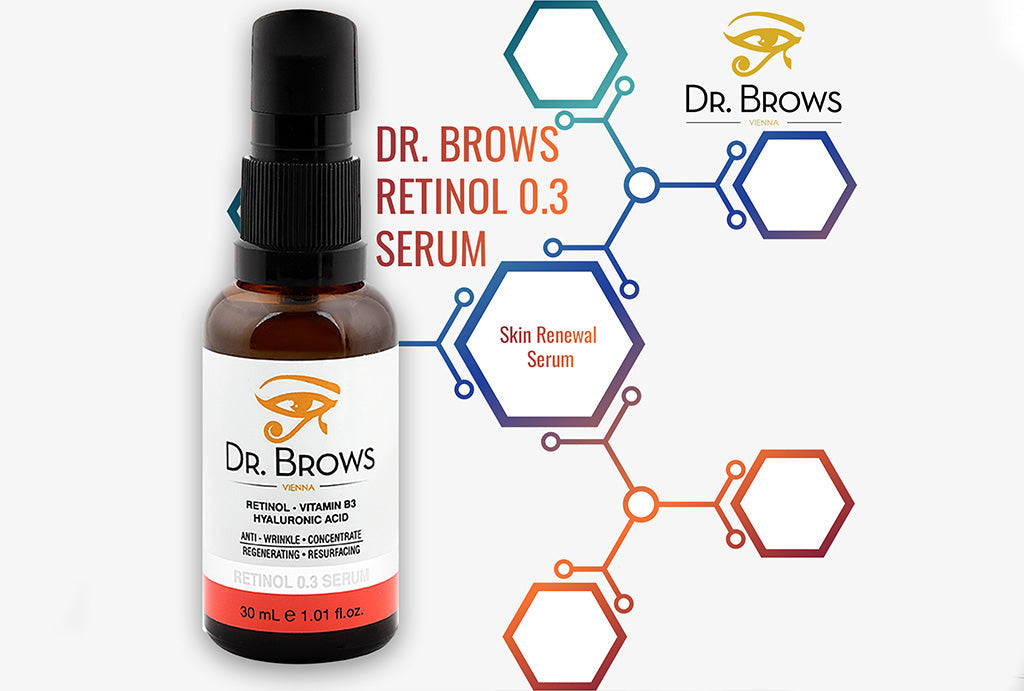
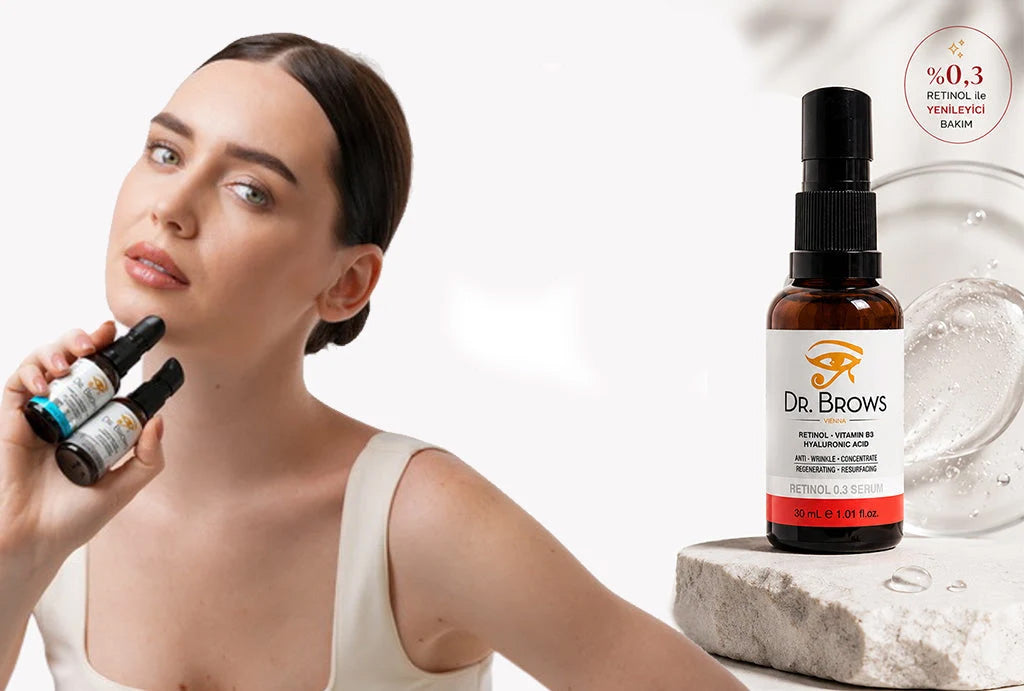
Dr.Brows Retinol 0.3 Anti-Aging Serum
For beginners or those looking for an effective yet gentle anti-aging routine, Dr.Brows Retinol 0.3 Anti-Aging Serum offers a balanced formulation with 0.3% retinol. Integrate it into your nighttime routine following the gradual steps outlined above. Visit the Retinol 0.3 Anti-Aging Serum product page to learn more and purchase.
To target fine lines around the eye area, complement your regimen with our specially formulated Intense Eye Serum.
Frequently Asked Questions
Can I use retinol every night?
Not initially. Start with 2 nights per week and increase frequency as your skin builds tolerance. Experienced users who tolerate the product well may use it nightly.
At what age should I start using retinol?
There is no fixed age; many begin in their late 20s as a preventative measure. Skin needs—rather than chronological age—are the primary deciding factor.
Is sunscreen mandatory while using retinol?
Yes. Retinol increases sun sensitivity, making a broad-spectrum SPF 30–50 essential every morning.
Can retinol and hyaluronic acid be used together?
Yes, they complement each other well. Hyaluronic acid helps offset retinol-induced dryness.
When will I see results from retinol?
With consistent use, noticeable improvements in skin texture and tone are typically visible within 8 to 12 weeks.
Disclaimer: This content is for informational purposes only and does not constitute medical advice. Please consult a dermatologist for specific skin concerns.


